
What is Kidney Disease?
Chronic kidney disease (CKD) occurs when kidneys are damaged and are less efficient at doing their job. CKD is called a “silent killer” because there are few symptoms, and by the time people realize they have a problem, much damage has already been done. blood pressure and diabetes are the two leading causes of CKD. Heart disease, family history of CKD and obesity are other risk factors.
Did you know that people with a Rare Kidney Disease (RKD) face a disproportionate risk of kidney failure? Up to 10% of people are diagnosed with chronic kidney disease (CKD) as a result of a RKD. More than 25% of patients receiving kidney replacement therapy have been diagnosed with a Rare Kidney Disease (RKD). Over 150 RKDs have been identified – 80% are genetic and many are diagnosed in childhood.
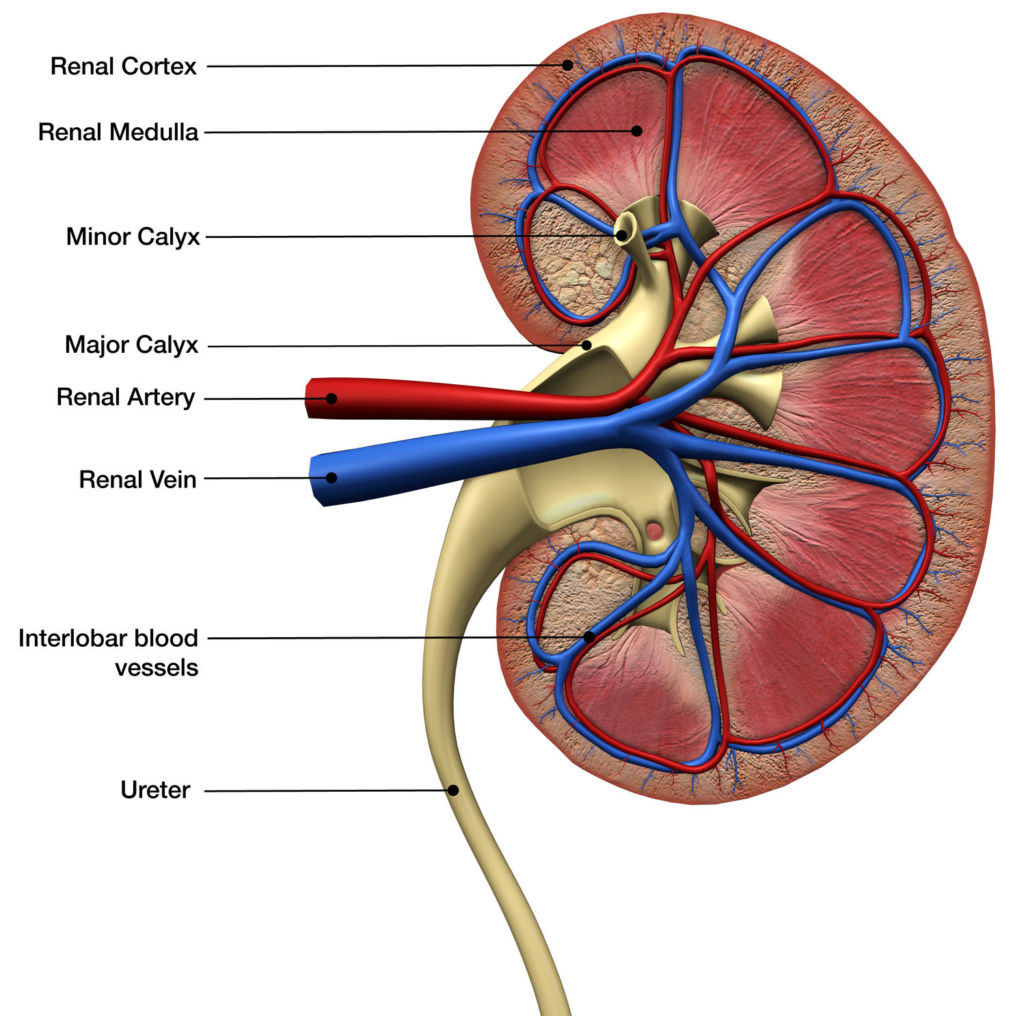
Role of Kidneys
Most people are born with two kidneys, which are each about the size of a closed fist. They are located in the middle back above the waist, with one on each side of the spine.
Kidneys serve an important role, as they are responsible for:
Kidney Failure
Kidney failure—also known as end-stage renal disease (ESRD)—is when kidneys are no longer able to do their job and the individual must either receive dialysis treatment or a kidney transplant in order to survive.
Treatment Options
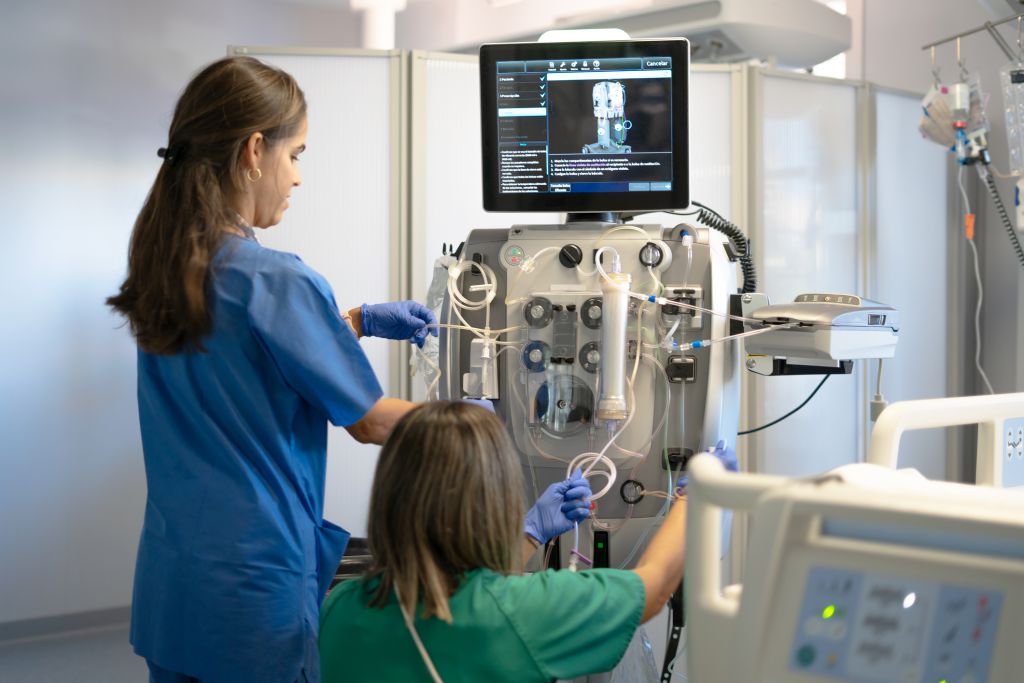
Dialysis is a treatment that cleans waste products out of the blood once the kidneys no longer can. In-center hemodialysis is the most utilized form of dialysis treatment for Americans with ESRD. Generally, in-center hemodialysis occurs three days a week for three to five hours per session where dialysis staff oversee the treatment. People can also dialyze at home and do peritoneal dialysis or home hemodialysis. It typically occurs in one’s home for shorter periods of time but more frequently, or one dialyzes overnight while asleep.
A kidney transplant, by either a deceased donor or a living donor is another means of treatment and does not mean one is cured of kidney disease. People that receive a kidney transplant need to take medication so that their body does not reject the organ and do not need dialysis. Many people are on the waiting list for multiple years before receiving a kidney transplant.