My daughter, Diana, passed away at 45 due to complications from kidney failure. Diagnosed with Type 1 diabetes at age 6, she later showed signs of kidney disease and needed dialysis for more than two years.
Diana received two kidney transplants. The first, in 2008, was a gift from her aunt. We were fortunate that the transplant costs were covered. Without that support, too many living donor transplants are denied because of insurance barriers. In 2018, Diana was placed on the transplant list, and just one week later, she received a perfect match.
Still, her challenges didn’t end there. A year after her second transplant, she suffered five heart attacks and five strokes. She spent her remaining time in rehabilitation hospitals, fighting every day for her two children, a 22-year-old son and an 11-year-old daughter.
What gave Diana time was access. Thanks to Medicare and a Pennsylvania waiver program, she lived longer and with more hope.
But not every patient is so fortunate. Too many still lack access to innovative therapies. Treatments for pruritus, anemia, phosphorous control and infection prevention are often out of reach. Without improvements from Congress, more patients will face worse outcomes.
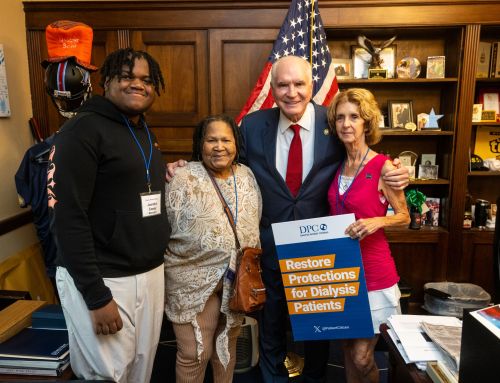
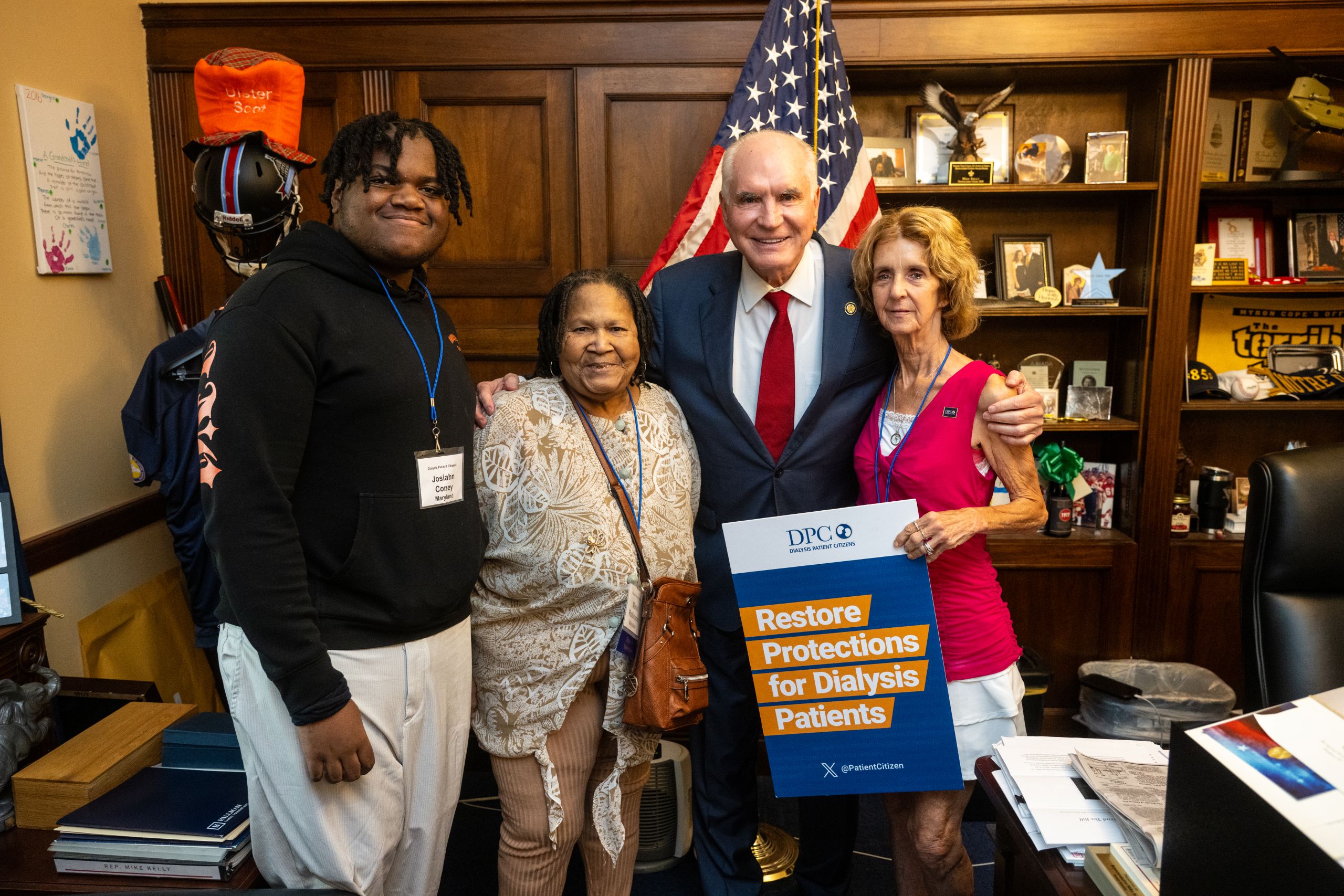
I’m grateful to Congressman Mike Kelly, of Butler, R-16th Dist., for working to protect patient access. The bipartisan Kidney Care Access Protection Act (S. 2730/H.R. 9724) would help clinics stay open and ensure patients can benefit from lifesaving new treatments.
Rebecca Pratt, North East, Pennsylvania