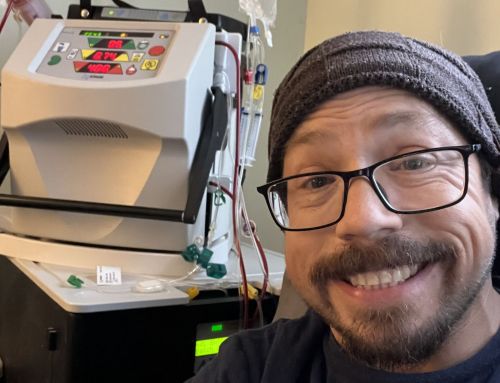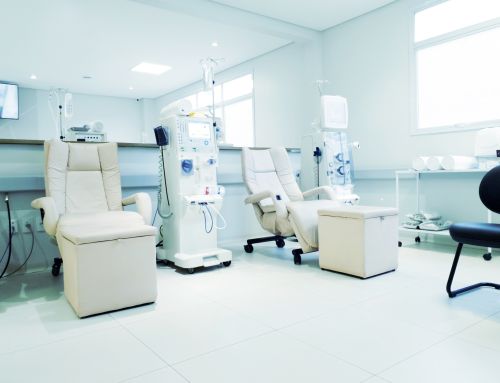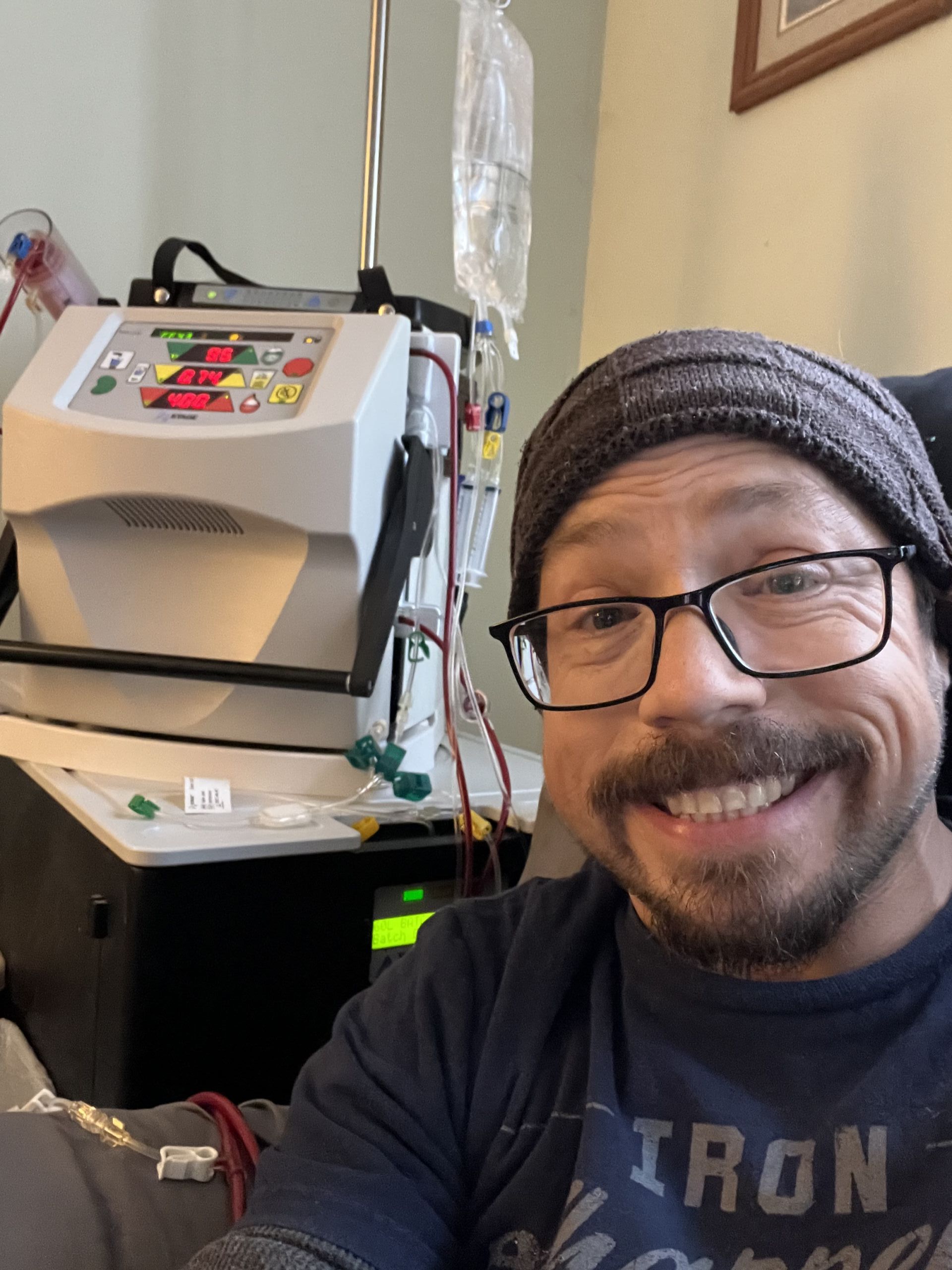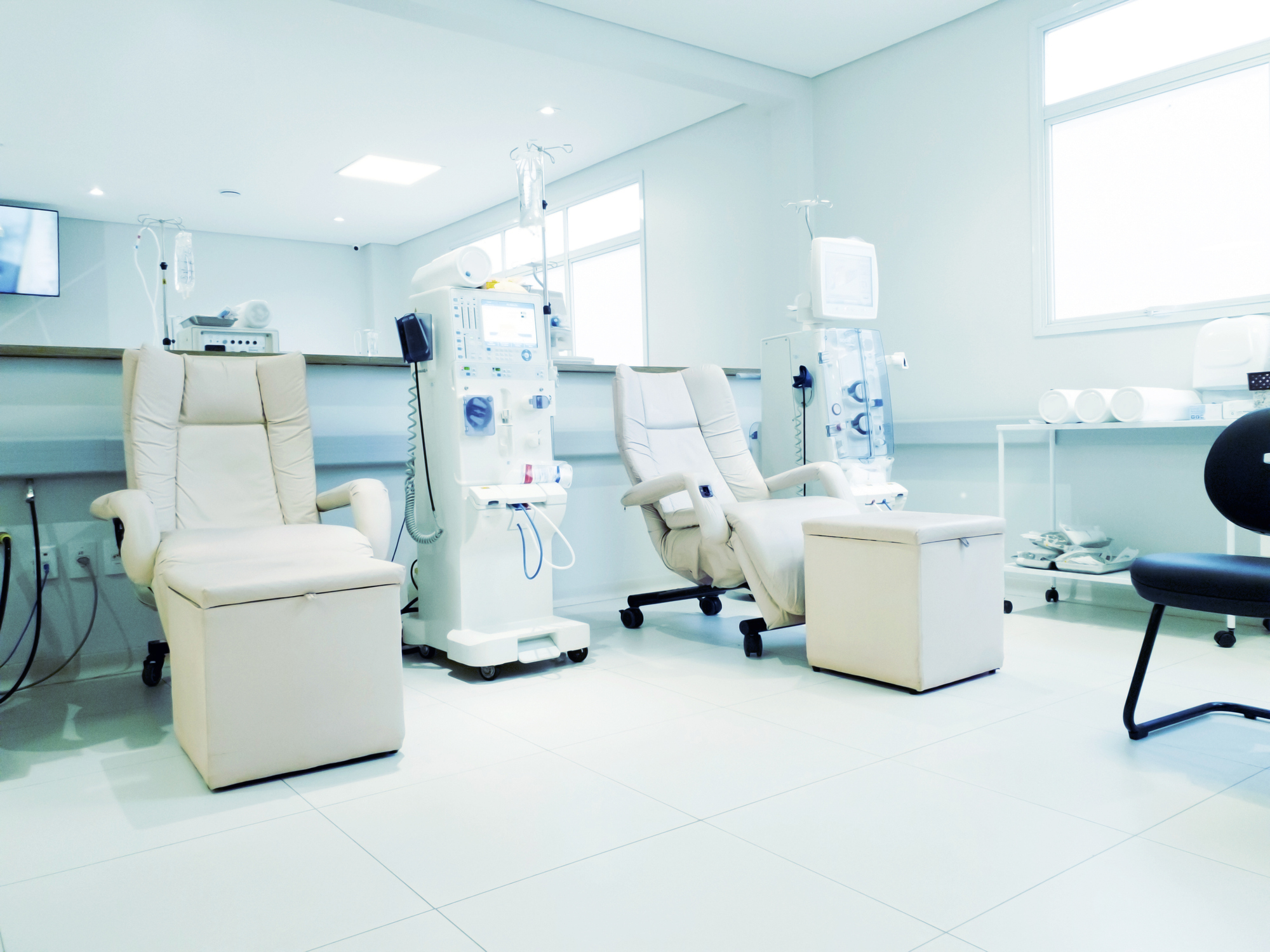

In 2009, I was diagnosed with kidney failure. My condition deteriorated so quickly that I was life-flighted and placed in a medically induced coma for 10 days. When I woke up, I had to relearn how to walk and soon began dialysis.
My kidneys briefly recovered, but in 2014 they failed again. After spending four years navigating the transplant waitlist, I was fortunate enough to receive a kidney in October 2018 at the University of Utah Hospital. I was able to move forward with transplantation only because I had Medicare during dialysis and later had access to my spouse’s employer-sponsored insurance — coverage that many kidney patients in Utah simply don’t have. Today, I’m grateful not only to be alive, but to advocate for kidney patients across the country who are denied that same access.
What many people don’t realize is that most dialysis patients under 65 qualify for and rely on Medicare. However, Medicare only covers 80% of the costs, leaving patients to pay the rest. Supplemental insurance plans called Medigap are supposed to help with that, but they are expensive and often unaffordable for most. Without Medigap, patients face overwhelming out-of-pocket expenses that can threaten their ability to gain access to the transplant waitlist.
Utah lawmakers have an opportunity to change this. Expanding access to Medigap plans for dialysis patients under 65 would provide stability, protect working families, and help patients focus on survival – not medical debt.
Kidney failure can happen to anyone, at any time. Utah must ensure that life-saving care is affordable and accessible for all who need it.
Bruce Tippets, Vernal, Utah